Double-Groove Cable Pulley for Sectional Garage Doors: Structure, Selection, and Manufacturing
A double-groove cable pulley guides two cables through separate channels in a sectional garage door's cable-routing system. Its groove shape, wheel diameter, bearing interface, and mounting layout all affect how the cables track, how smoothly the pulley turns, and how long it lasts. Checking the outside diameter alone won't tell you whether a pulley will work, so cable diameter, groove profile, bearing dimensions, operating loads, and installation geometry need to be reviewed together. This guide covers how the pulley works, which factors matter most during selection, and how manufacturers keep dimensions and assembly quality consistent.
What Is a Double-Groove Cable Pulley for Sectional Garage Doors?
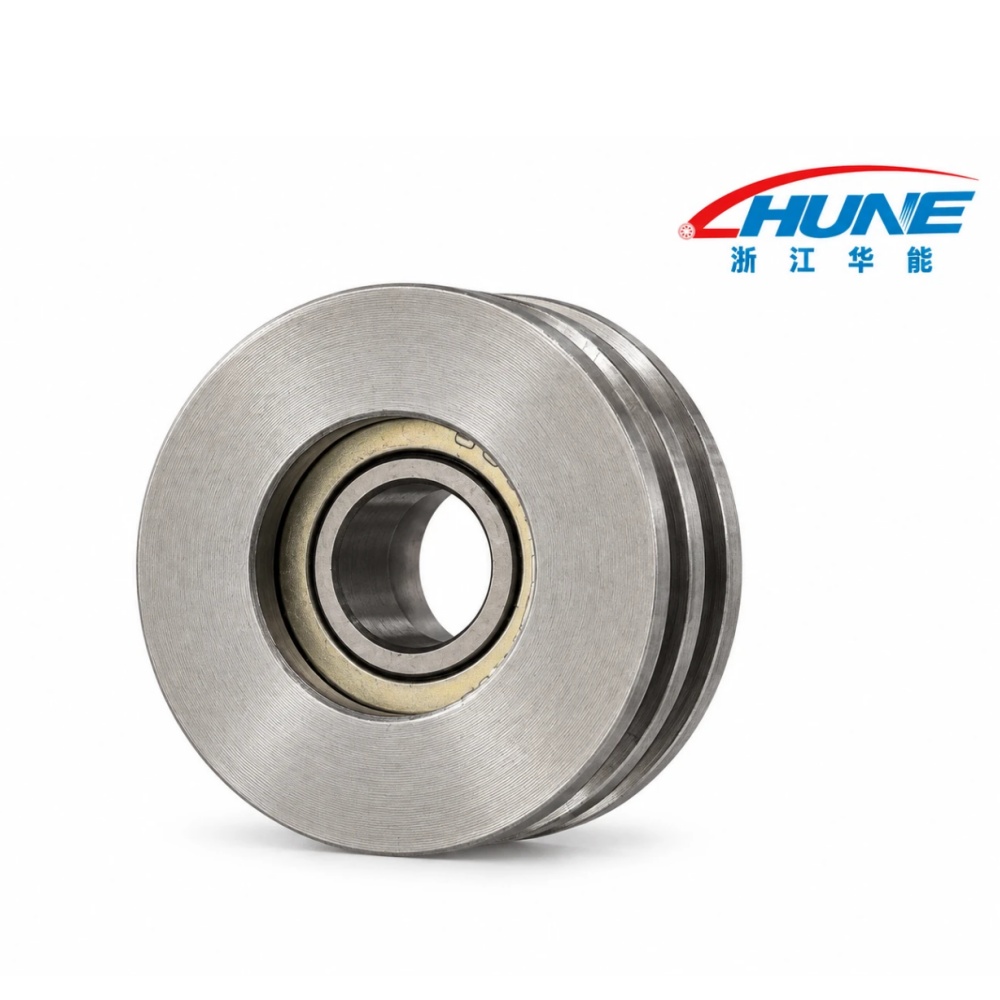
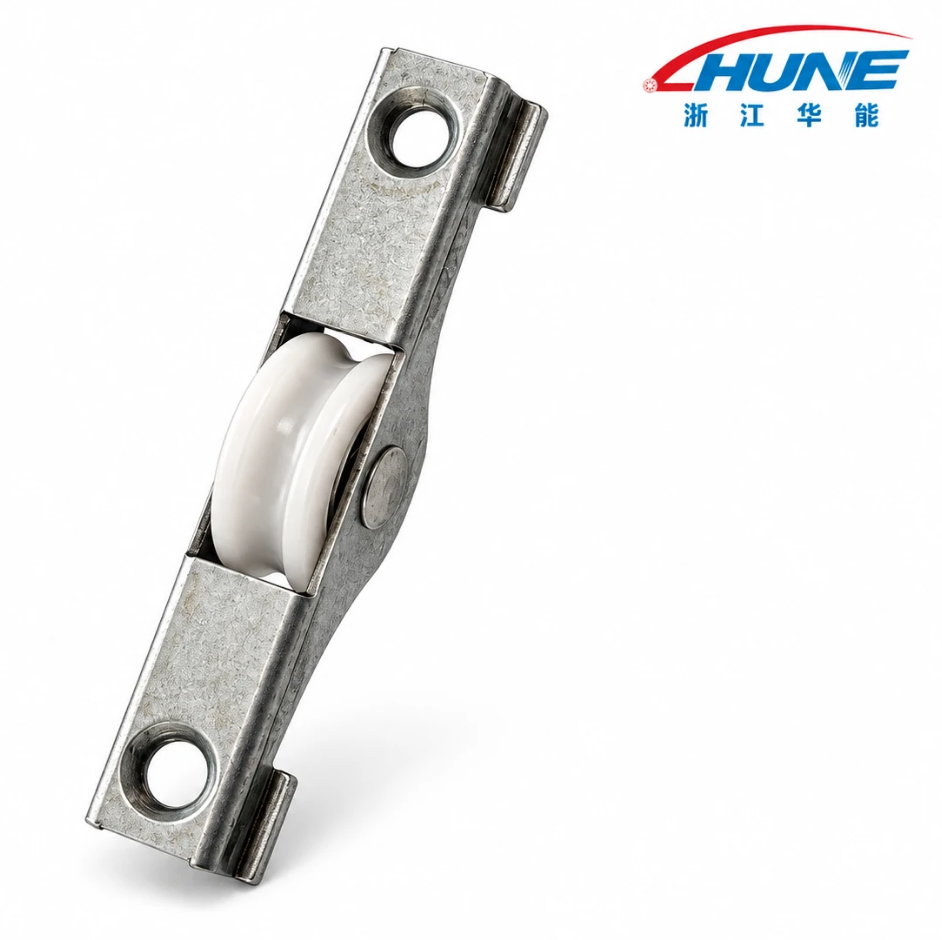
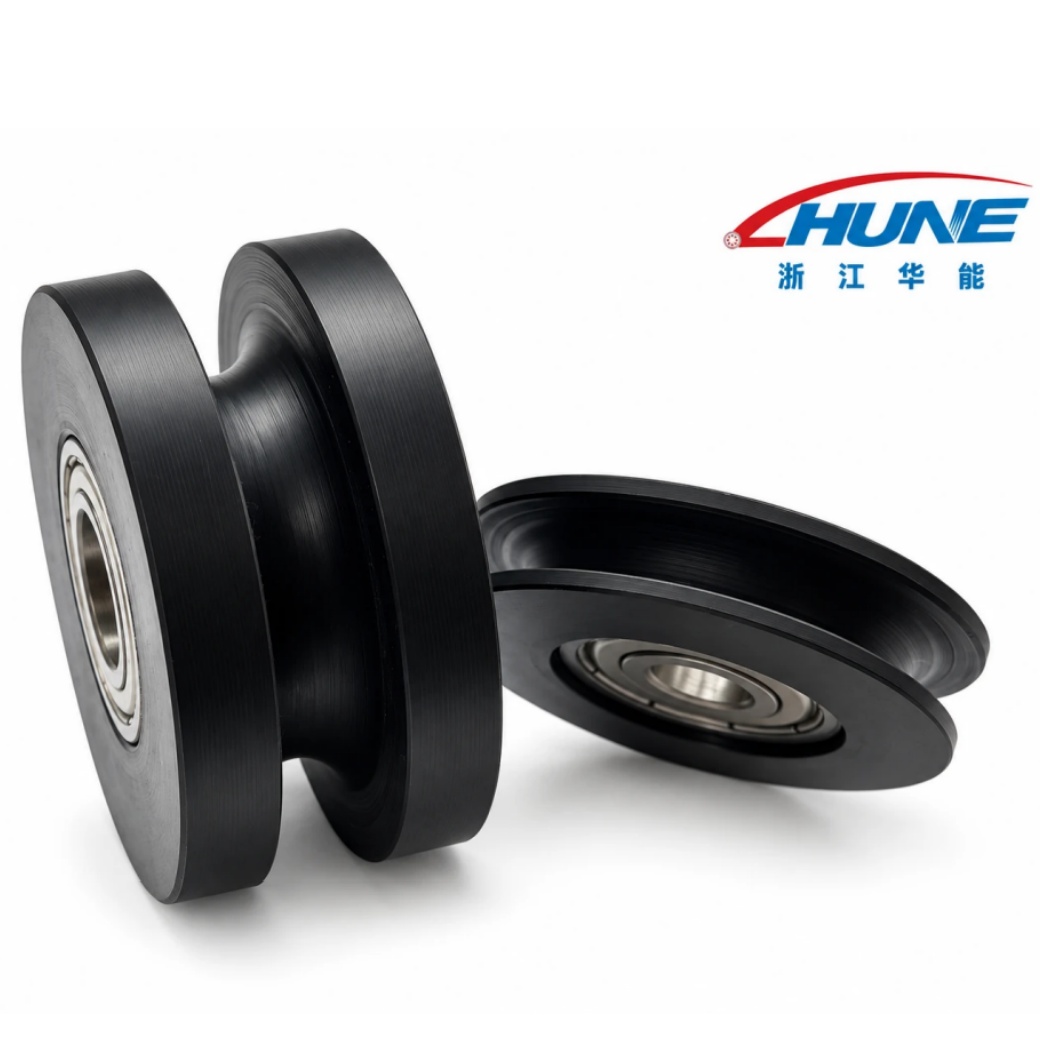
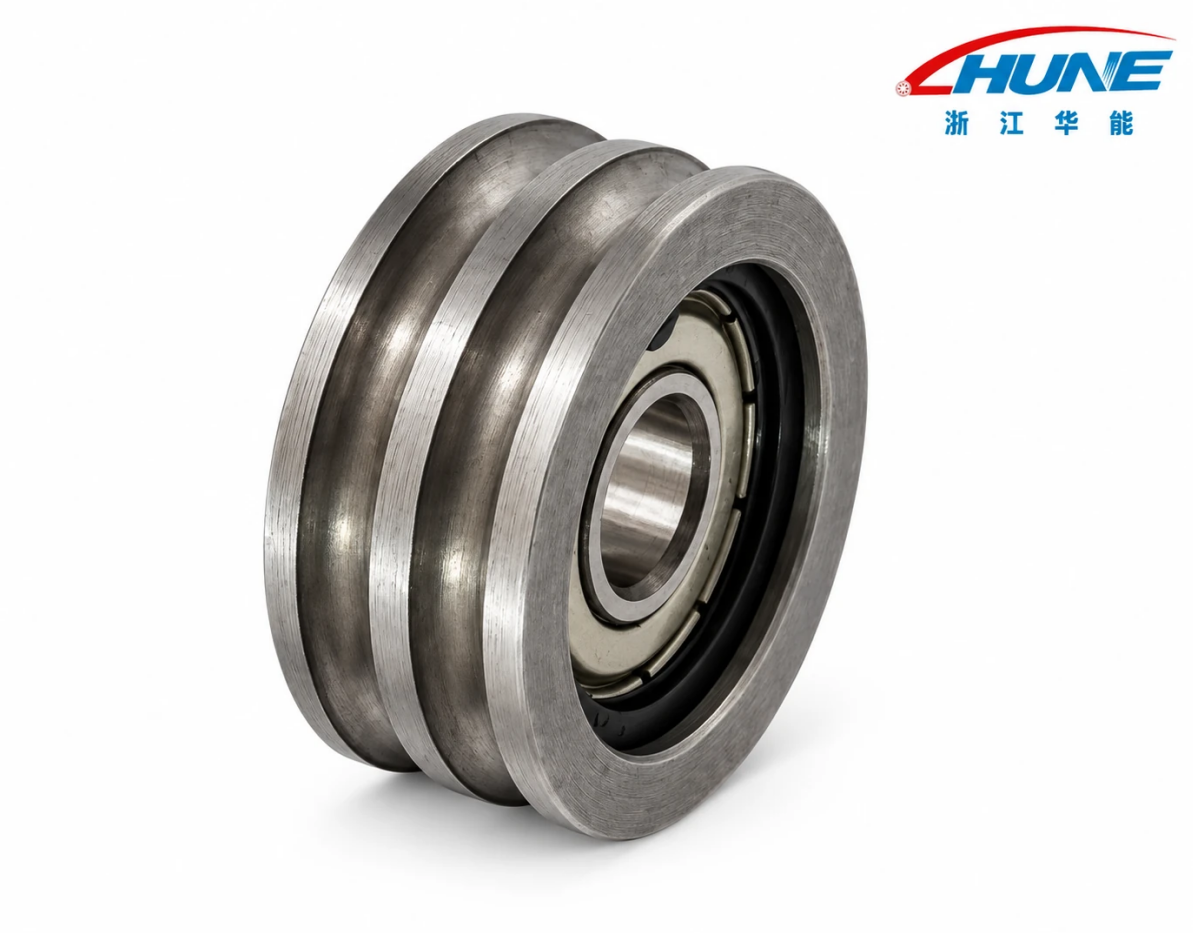
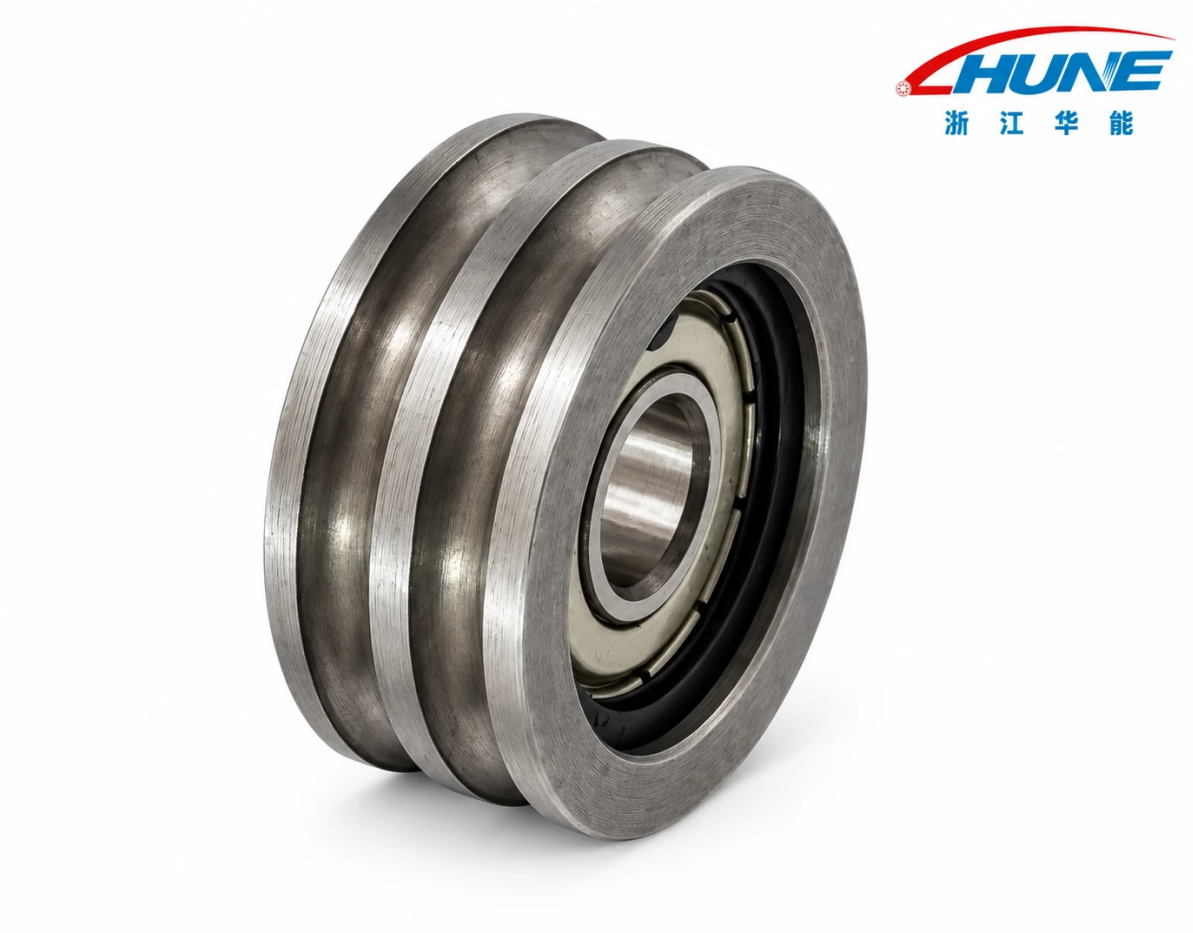
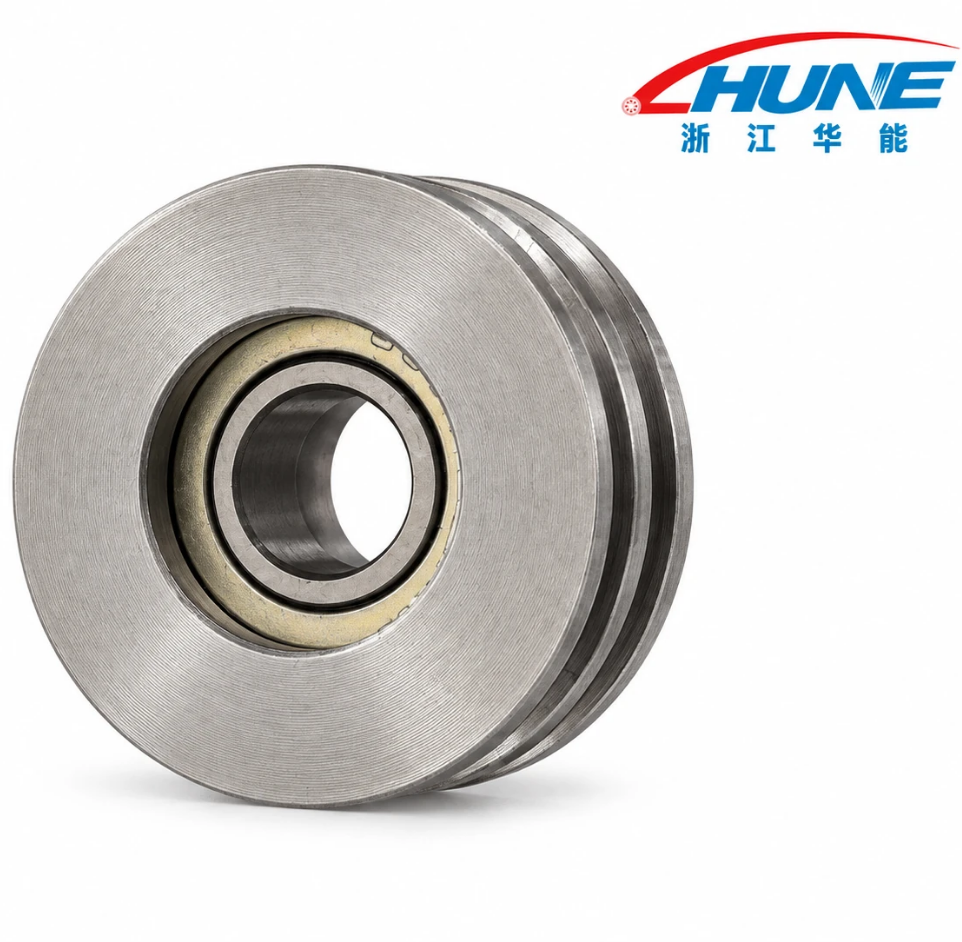
A double-groove cable pulley is a wheel with two distinct cable-guiding grooves. In a sectional garage door, each groove gives a compatible cable its own path, as set by the door's mechanism design.
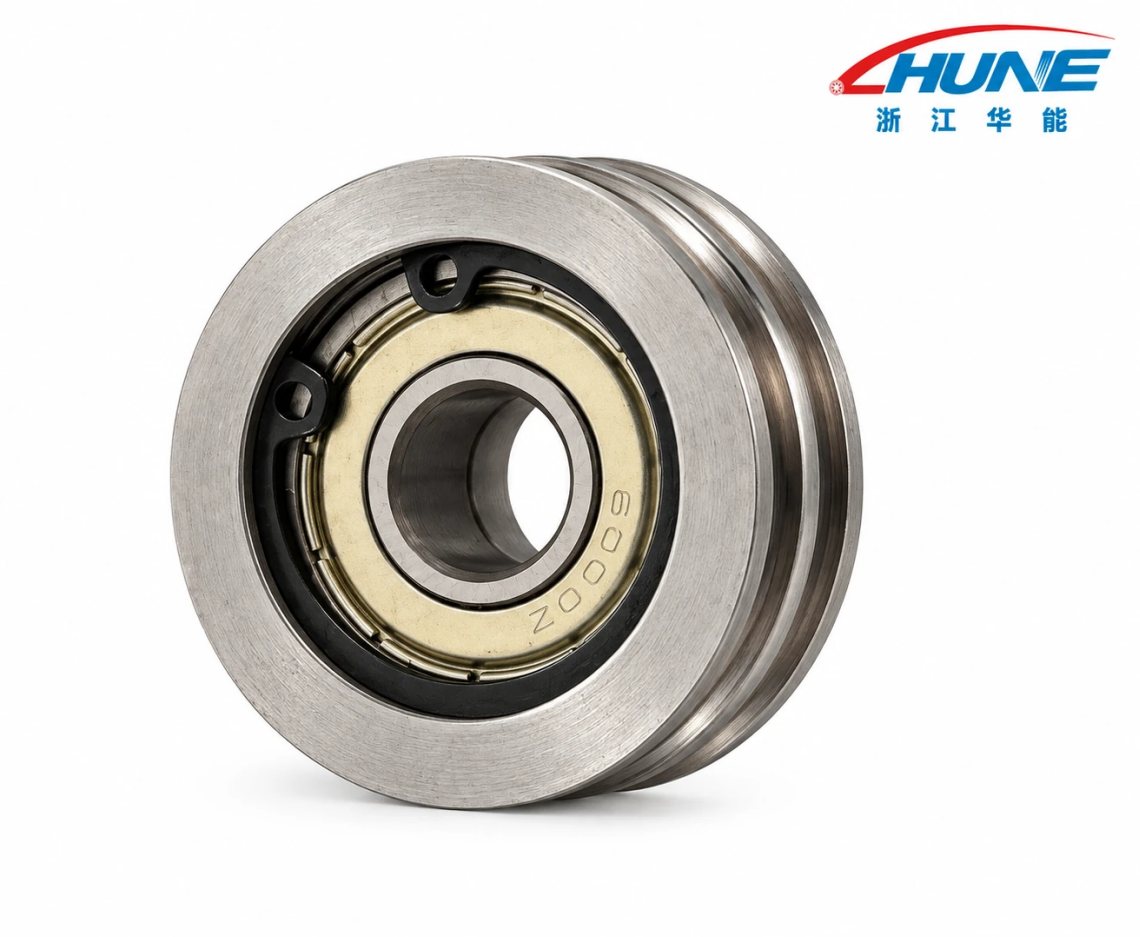
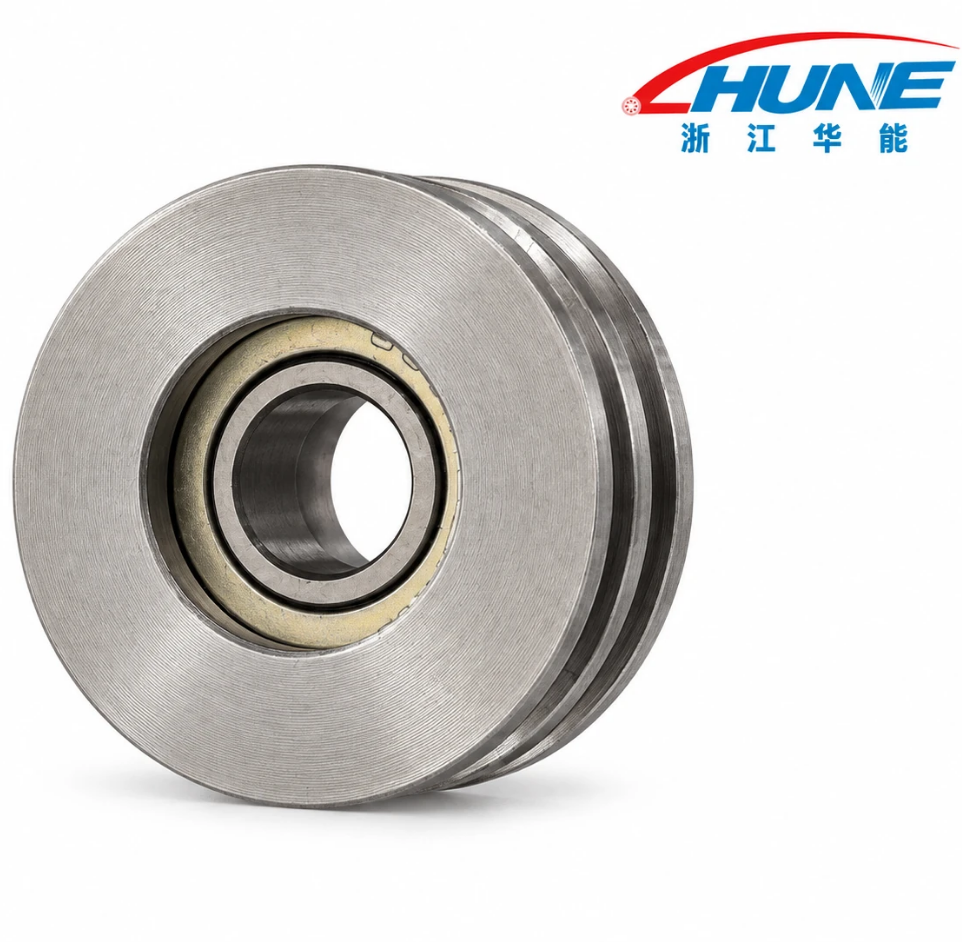
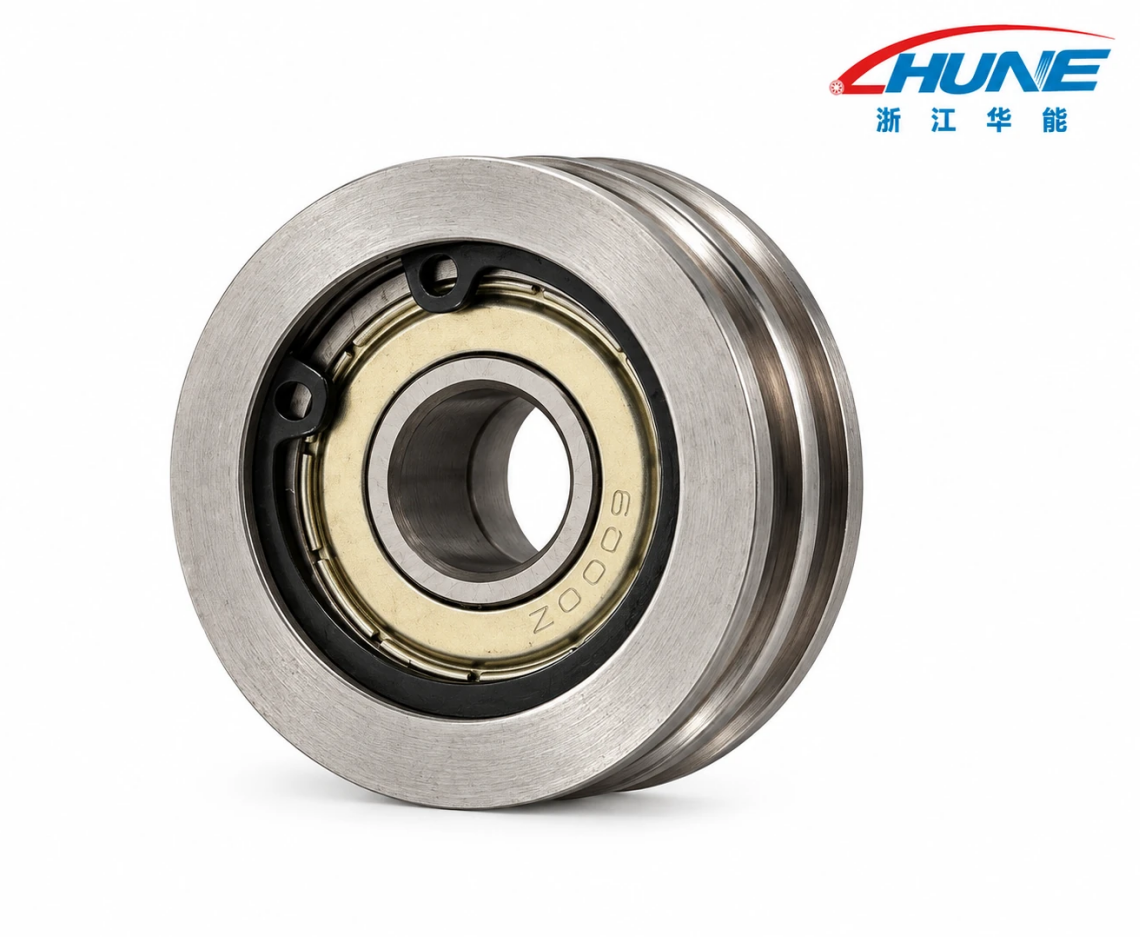
As the cable moves across the wheel, the pulley turns. The groove profile keeps the cable in its intended position. Depending on the system, the pulley may include a bearing or bushing and may mount on a dedicated bracket or shaft.
"Double-groove" describes the wheel's geometry only. It doesn't tell you the load rating, the cable diameter, the bearing type, or whether the pulley suits a particular door. Confirm those details against the technical specifications.
Main Components and Their Functions
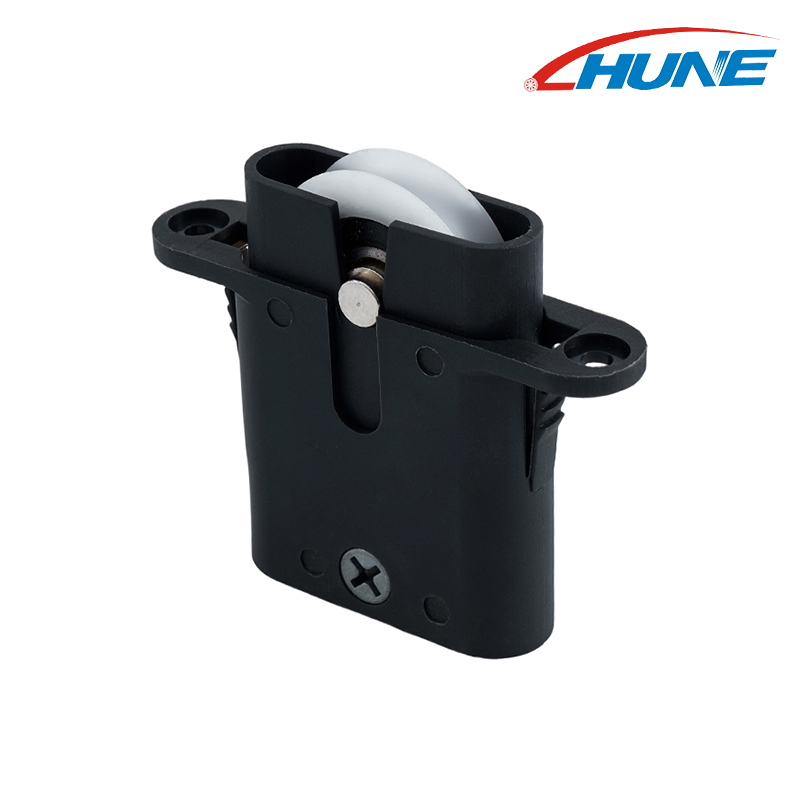
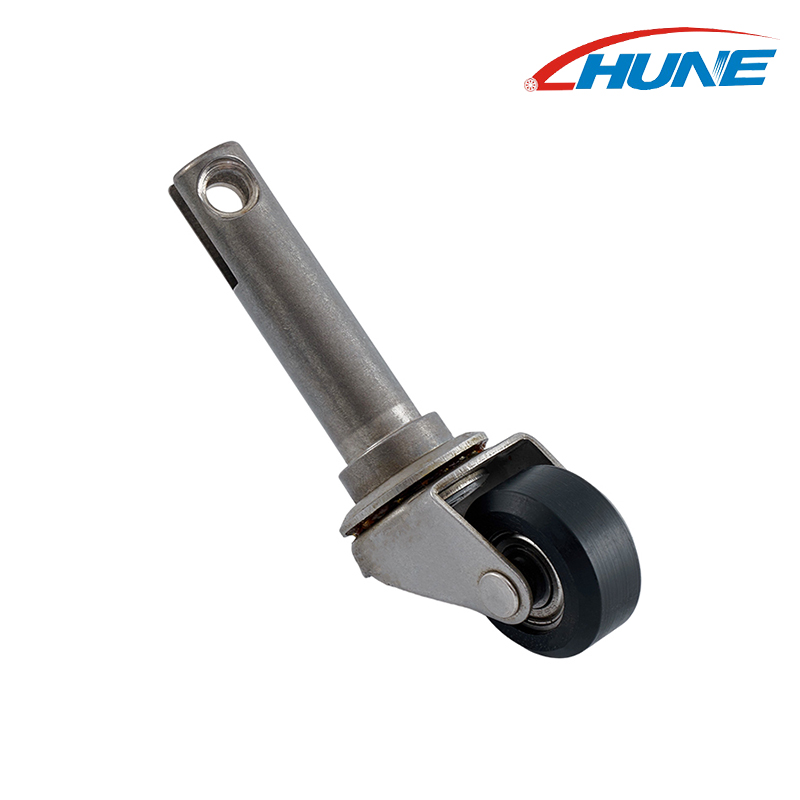
The parts of a double-groove cable pulley vary by model, but a typical unit can include the following:
| Component |
Function |
Technical Consideration |
| Pulley Body |
Forms the groove geometry and the rotating structure |
Material, overall dimensions, and structural integrity |
| Two Cable Grooves |
Guide compatible cables along separate paths |
Width, depth, profile, and spacing |
| Hub or Central Section |
Provides the interface for the shaft or bearing |
Bore dimensions and alignment |
| Bearing or Bushing |
Supports rotation around the mounting axis, where fitted |
Bearing dimensions, fit, and operating requirements |
| Shaft or Axle Interface |
Connects the pulley to the supporting structure |
Diameter, clearance, retention, and alignment |
| Mounting Bracket, if included |
Positions and supports the pulley in the mechanism |
Hole locations, clearance, and structural compatibility |
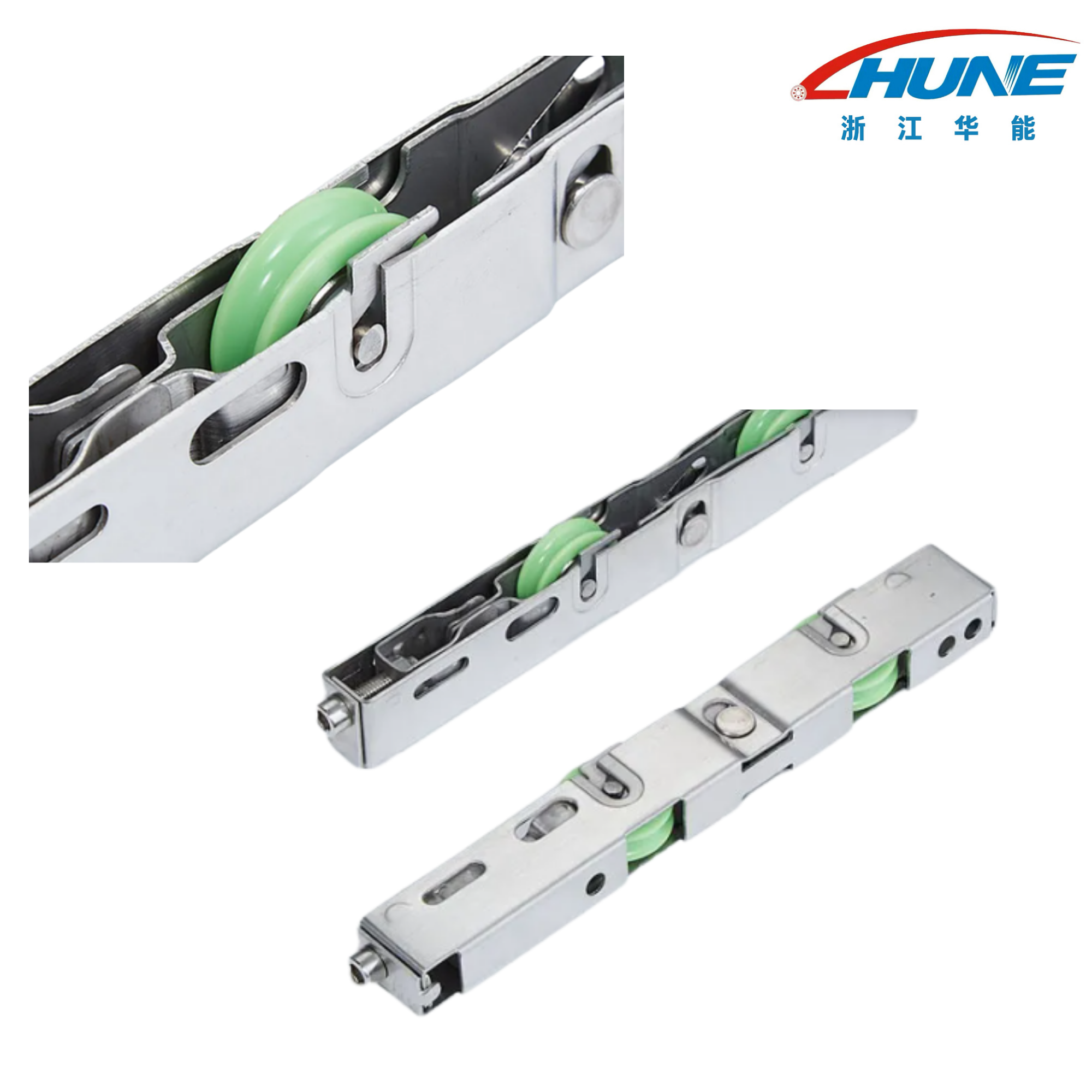
Some designs use a bare pulley wheel with a separate shaft, bearing, or bracket. Check the drawing or specification sheet to confirm what's included.
How Does a Double-Groove Cable Pulley Work?
The pulley works through controlled cable guidance and rotation:
- Cable positioning: Compatible cables follow their designated grooves based on the garage door's layout.
- Rotation: As the cable travels, the pulley turns on its bearing, bushing, or shaft.
- Cable guidance: The groove profile limits unwanted sideways movement and keeps the cable on its route.
- Load transfer: Forces carried by the cable pass through the pulley and its support into the surrounding mechanism.
- System coordination: The pulley is one part of a larger system. Its performance depends on cable routing, supporting hardware, alignment, and the door's balancing mechanism.
Having two grooves doesn't double the load capacity or give a fixed mechanical advantage. Those depend on the full arrangement and the rated specifications of each component.
Double-Groove vs. Single-Groove Cable Pulleys
| Comparison Point |
Double-Groove Cable Pulley |
Single-Groove Cable Pulley |
| Groove Configuration |
Two separate cable-guiding grooves |
One cable-guiding groove |
| Cable Routing |
Supports two defined cable paths when the system is designed for them |
Supports one defined cable path |
| Dimensional Requirements |
Both groove profiles and their spacing must be confirmed |
The single groove profile must be confirmed |
| Installation Compatibility |
Depends on system layout, mounting space, and cable arrangement |
Depends on the cable route and mounting arrangement |
| Load Performance |
Set by the complete design and rated specifications |
Set by the complete design and rated specifications |
| Typical Selection Priority |
Groove spacing, cable compatibility, overall width, and mounting interface |
Cable compatibility, groove geometry, diameter, and mounting interface |
The real difference lies in the number and arrangement of grooves, not in any assumed gain in strength or performance.
How to Choose the Right Double-Groove Cable Pulley for Sectional Garage Doors
Choosing a double-groove pulley means reviewing the cable, wheel geometry, rotating interface, installation space, and operating conditions together. A pulley that looks like the original may still have the wrong groove spacing, bore size, or mounting geometry.
1. Confirm the Cable Diameter and Construction
Cable diameter is the starting point. Measure the actual running diameter, including any coating that adds to the outside dimension.
Construction matters too. Wire rope designs differ in flexibility and bending requirements. A pulley that suits one cable type may not suit another, even when the nominal diameters match.
Your cable specification should identify:
- Nominal and measured cable diameter
- Cable construction, where applicable
- Outer coating or protective layer
- Required bending conditions
- Compatibility requirements set by the garage door manufacturer
Treat the cable and pulley as a matched pair. Pulley groove guidance notes that an unsuitable groove can pinch the cable or fail to support it, which raises contact stress and wear. Source: Cablecraft pulley groove sizing guidance
2. Check Both Groove Profiles and Their Spacing
A double-groove pulley needs checks on both grooves, not just the overall width. Measure:
- Groove width
- Groove depth
- Groove base radius or cross-sectional profile
- Distance between the two groove centerlines
- Position of each groove relative to the pulley body
- Surface finish along the cable-contact areas
Each groove should hold its cable without squeezing it or letting it wander. Wrong geometry affects tracking, contact pressure, and wear.
Spacing deserves particular attention. Even if each groove suits its cable, the wrong center-to-center distance can stop the cables from following their intended paths.
3. Verify Pulley Diameter and Overall Dimensions
Outside diameter sets the space available and the bending path of the cable. Overall width determines whether the wheel fits the supporting assembly and keeps the right alignment.
Record these dimensions before selecting a replacement or custom part:
| Dimension |
Why It Matters |
| Outside Diameter |
Sets the wheel's overall envelope and influences cable bending |
| Overall Width |
Determines the installation space required |
| Groove Depth and Width |
Affect cable support and tracking |
| Groove Center-to-Center Distance |
Defines the spacing between the two cable paths |
| Bore Diameter |
Must match the specified shaft, bearing, or hub |
| Bearing Outside Diameter and Width, if applicable |
Affect bearing fit and assembly geometry |
| Shaft or Axle Dimensions |
Determine compatibility with the supporting hardware |
| Mounting Dimensions, if a bracket is supplied |
Determine alignment and installation fit |
Take measurements from an approved drawing, a verified component, or the product specification. Photos alone can't confirm dimensional compatibility.
4. Evaluate the Bearing and Shaft Interface
The bearing or bushing controls rotational movement and how forces pass through the pulley.
Consider:
- Bearing type and reference, if specified
- Bore diameter and bearing outside diameter
- Bearing width and seating dimensions
- Shaft diameter and fit requirements
- Axial retention and clearance
- Expected operating frequency and environmental exposure
A bearing that fits the bore can still be wrong for the job if its load rating, internal clearance, or operating conditions don't match. Check the whole interface, not the bearing dimensions alone.
5. Review Material and Operating Environment
The pulley material has to suit the cable contact, the mechanical loads, and the environment. Confirm the material for your specific model in its technical documentation.
Key factors include:
- Expected contact with the cable
- Wear resistance of the groove surface
- Structural requirements under the specified load
- Exposure to moisture, dust, temperature swings, or corrosive conditions
- Compatibility with the shaft, bearing, and nearby parts
Choose material based on performance requirements, not appearance. Changing the material can alter friction, wear, dimensional stability, and cable compatibility.
6. Consider Loads, Movement, and System Compatibility
A pulley in a sectional garage door works as part of a larger mechanism. Its suitability depends on the cable loads, the cable path, the door configuration, the support structure, and the movement cycle.
Before you finalize a specification, confirm:
- The applicable working-load requirements
- Cable routing and pulley alignment
- Expected operating frequency
- Available installation space
- Required component life and inspection conditions
- Compatibility with the full garage door assembly
Never infer a load rating from wheel diameter, material, appearance, or the number of grooves. Load capacity needs verified technical data for the actual component and installation.
7. Double-Groove Cable Pulley Selection Checklist
Use this checklist to organize technical information before selecting or customizing a pulley:
| Selection Item |
Information to Confirm |
| Application |
Sectional garage door cable-routing system |
| Cable |
Diameter, construction, and coating |
| Pulley Geometry |
Outside diameter, overall width, and both groove profiles |
| Groove Arrangement |
Center-to-center spacing and alignment |
| Rotating Interface |
Bearing or bushing type, bore, and fit |
| Mounting |
Shaft, axle, bracket, and retention details |
| Operating Conditions |
Load, movement frequency, and environment |
| Documentation |
Drawing, material specification, and applicable performance data |
Gathering this information up front gives you a more reliable assessment and reduces the risk of choosing a part from incomplete measurements.
How Are Double-Groove Cable Pulleys Manufactured, Tested, and Customized?
Making a double-groove cable pulley means controlling the wheel geometry, the rotating interface, the surface condition, and the assembly dimensions. The exact process depends on the material, construction, and design.
1. Design and Technical Specification
Production starts with a technical drawing or an approved sample. The drawing should define the overall dimensions, both groove profiles, groove spacing, the central interface, material requirements, and any assembly features.
For a garage door cable pulley, the design review should also cover cable diameter, the intended cable route, installation clearance, and operating conditions.
Clear documentation keeps manufacturing and inspection working from the same dimensional requirements.
2. Material Preparation and Wheel Production
The production method depends on the pulley design and material. Depending on the specification, the process may include molding, machining, forming, or another suitable method.
The goal is to achieve the required wheel geometry with consistent dimensions. Control material selection and processing conditions according to the product specification.
Don't assume a specific material or process. Confirm them with the manufacturer.
3. Groove Forming and Dimensional Control
The two grooves are the critical functional features. Their dimensions and surface condition determine how cables contact the wheel and travel along it.
Key inspection points include:
- Groove width and depth
- Groove cross-sectional profile
- Distance between groove centerlines
- Groove alignment and symmetry
- Surface finish and visible defects
- Outside diameter and overall width
The inspection method and tolerances should come from the engineering drawing or the applicable product requirements. General-purpose tolerances shouldn't replace the specified limits.
4. Bearing Installation and Assembly
If the design includes a bearing or bushing, assembly has to maintain the correct fit and alignment. Errors here can affect rotational smoothness, bearing seating, and service life.
Inspection may cover bearing position, bore fit, axial clearance, shaft compatibility, and rotation. If a mounting bracket is included, check its geometry and alignment too.
5. Quality Inspection and Functional Verification
Quality checks should follow the product's technical requirements, not just visual appearance.
| Inspection Area |
Purpose |
| Dimensional Inspection |
Confirms outside diameter, width, bore, and groove dimensions |
| Groove Inspection |
Checks cable-contact geometry and groove spacing |
| Surface Inspection |
Identifies burrs, cracks, deformation, or other visible defects |
| Bearing and Assembly Inspection |
Checks fit, positioning, and rotation |
| Cable Compatibility Review |
Confirms the designated cable matches the groove specifications |
| Functional Verification, where specified |
Evaluates performance against defined test conditions and acceptance criteria |
State load, endurance, or corrosion testing only if it's part of the product's actual validation process. Back up test results and certifications with records.
6. Customization of Double-Groove Cable Pulleys
Custom pulleys can be developed to match a specific garage door mechanism or equipment design. Feasibility depends on the application and the engineering requirements.
Common customization options include:
- Outside diameter and overall width
- Groove width, depth, profile, and spacing
- Pulley body material
- Bearing type, bore, and mounting interface
- Shaft or axle dimensions
- Bracket geometry, when an integrated assembly is required
- Surface finish and other drawing-defined features
For an accurate review, send a dimensioned drawing or a sample with clear measurements. Include the cable specification, the installation space, the operating conditions, and any performance requirements.
Treat any change to groove geometry, material, or wheel diameter as a whole-design change. Even a small dimensional shift can affect cable contact, mounting fit, and how the assembly behaves.
Frequently Asked Questions About Double-Groove Cable Pulleys
What does a double-groove cable pulley do in a sectional garage door?
Its exact function depends on how the complete garage door system is designed. The two grooves provide separate guided paths for compatible cables, and the pulley's role follows from the cable layout.
Can a Double-Groove Cable Pulley Be Used with Any Two Cables?
No. Both cables must suit the groove dimensions and the intended routing. Check cable diameter, construction, coating, groove spacing, and installation geometry against the system specifications.
Two grooves don't automatically make two unrelated cables safe to run together.
How Do You Match a Cable Diameter to a Pulley Groove?
Start with the cable's specified diameter and construction, including any outer coating. Compare these with the groove width, depth, and cross-sectional profile.
The groove should support the cable without pinching it or allowing excessive sideways movement. Confirm final compatibility against the applicable engineering specifications.
Which Dimensions Are Required When Replacing a Double-Groove Cable Pulley?
You'll need outside diameter, overall width, both groove profiles, groove center-to-center distance, bore diameter, bearing dimensions, and the shaft or mounting interface.
You'll also need the cable specification and the operating requirements. A part that looks similar may have different groove geometry or mounting dimensions.
Why Can Uneven Cable Wear Occur Around a Pulley?
Possible causes include an incompatible groove profile, the wrong cable diameter, pulley misalignment, surface damage, bearing problems, or issues elsewhere in the cable-routing system.
Treat uneven wear as a system problem, not just a pulley problem. When you notice cable wear or damage, have a qualified garage door technician inspect the mechanism.
Can a Double-Groove Cable Pulley Be Customized?
Customization may be possible for dimensions, groove spacing, material, bearing interface, and mounting configuration. Feasibility depends on the design requirements and the manufacturing process.
A dimensioned drawing or measured sample, along with the cable and application specifications, makes a good starting point for evaluation.
Does a Double-Groove Cable Pulley Have a Fixed Load Capacity?
No single load capacity applies to every double-groove pulley. The allowable load depends on the specific design, material, bearing or shaft interface, cable arrangement, support structure, and validation data.
Check the rated specifications for the actual component, and the requirements of the complete system, before use.
Is Replacing a Garage Door Cable Pulley a Routine DIY Task?
No. Garage door cables and springs can store dangerous energy. Handling or removing tensioned parts incorrectly can cause serious injury.
Follow the garage door manufacturer's procedures. For work involving tensioned cables, springs, or other hazardous components, use a qualified technician. Don't dismantle or adjust these parts without proper training and equipment.
A Double-Groove Cable Pulley for Sectional Garage Doors is defined by its two cable-guiding grooves and its role within a specific mechanical system. Choosing the right one means matching cable diameter and construction to the groove geometry, confirming the wheel and bearing dimensions, and checking the mounting arrangement and operating requirements.
For manufacturers, consistent dimensions, accurate grooves, sound assembly methods, and documented inspection criteria are what produce a pulley that meets its specification. For replacement or custom projects, accurate drawings, cable details, and verified performance requirements give you a solid basis for evaluation.
Because the pulley is one part of a complete garage door mechanism, confirm compatibility at the system level. Appearance and groove count alone won't tell you whether it will work.





 English
 Español
 日本語
 +86-15058997617