


 English
 Español
 日本語
日本語
 +86-15058997617
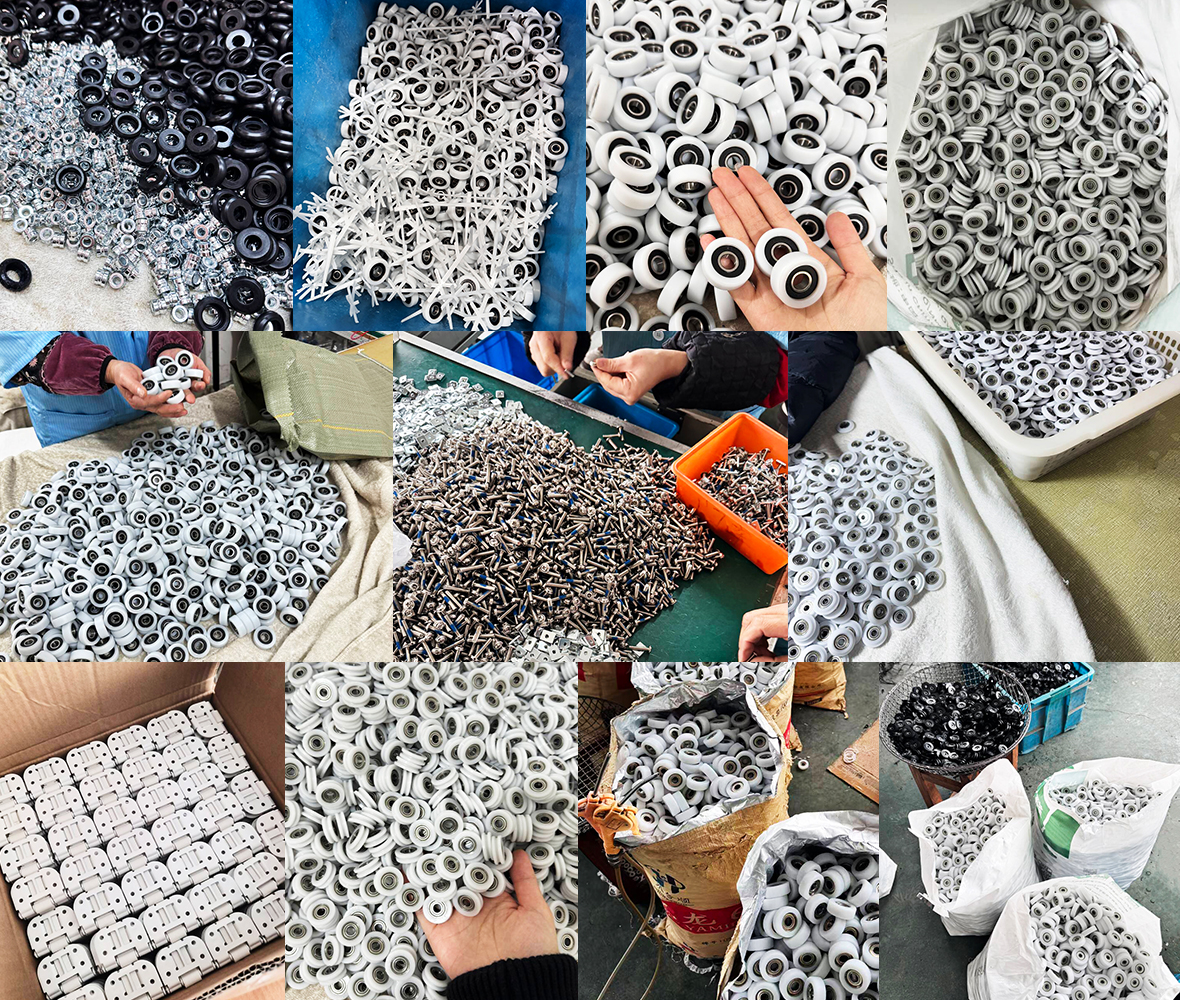
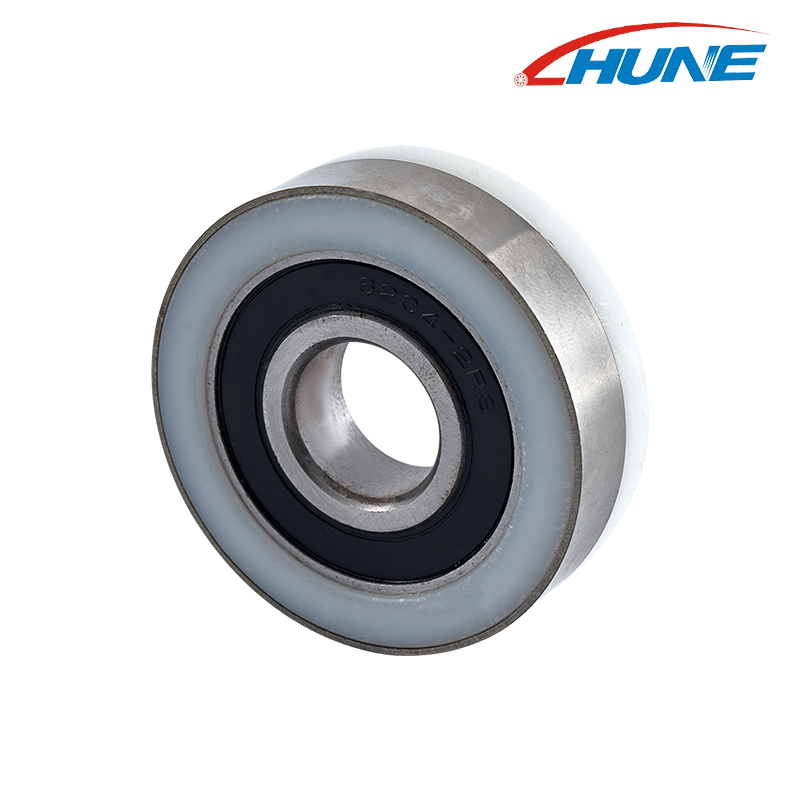
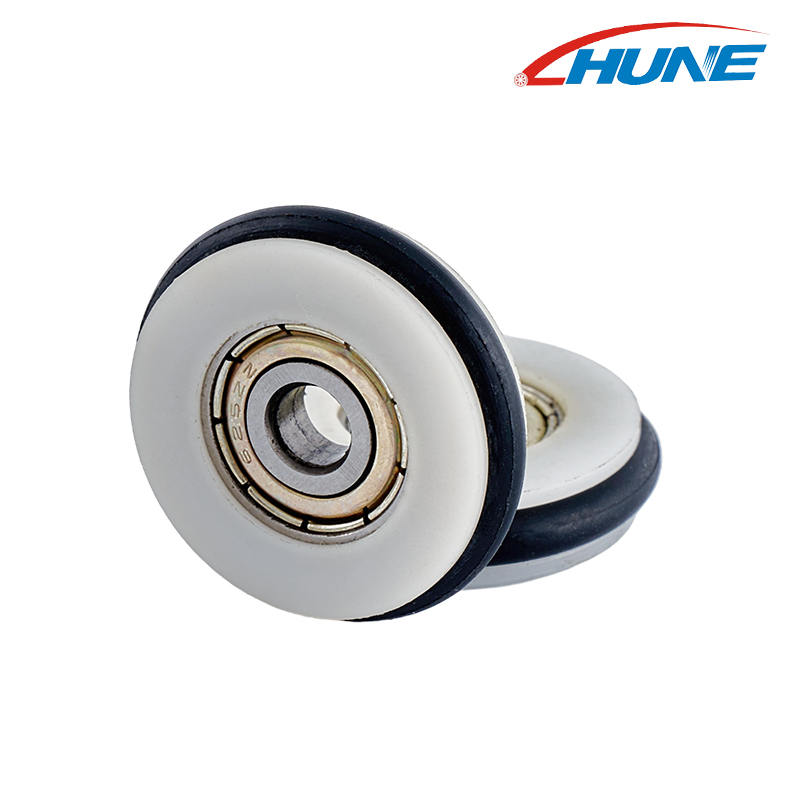
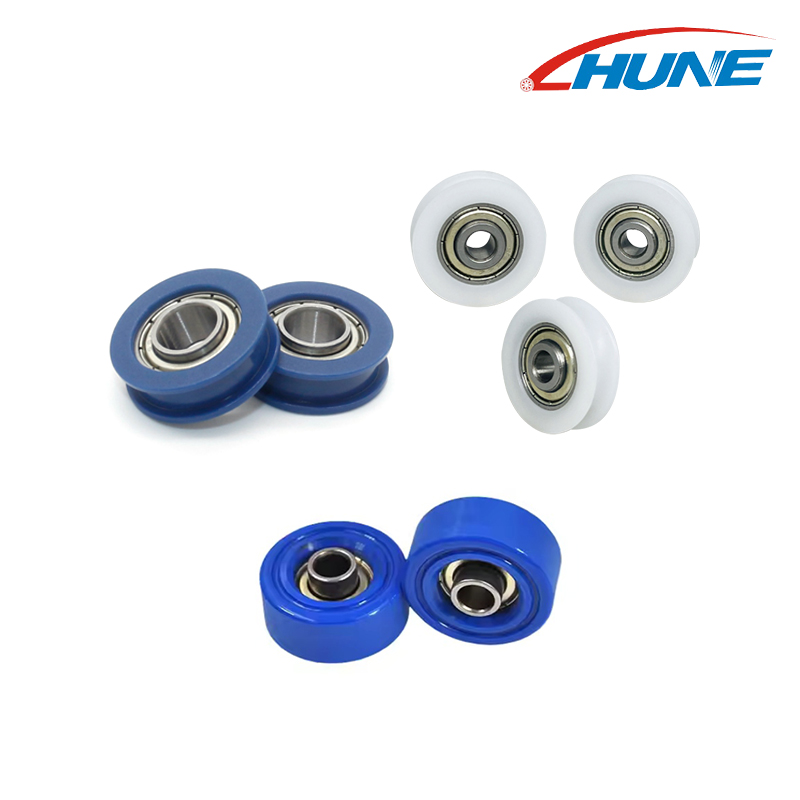


Industry Knowledge: How Ultra-Slim Nylon Pulley Wheels Work in Compact Sliding Systems
In a narrow sliding channel, choosing a roller by outside diameter alone can lead to a part that fits on the shaft but rubs against the track wall. Wheel width, bearing clearance, and mounting hardware all need room to work.
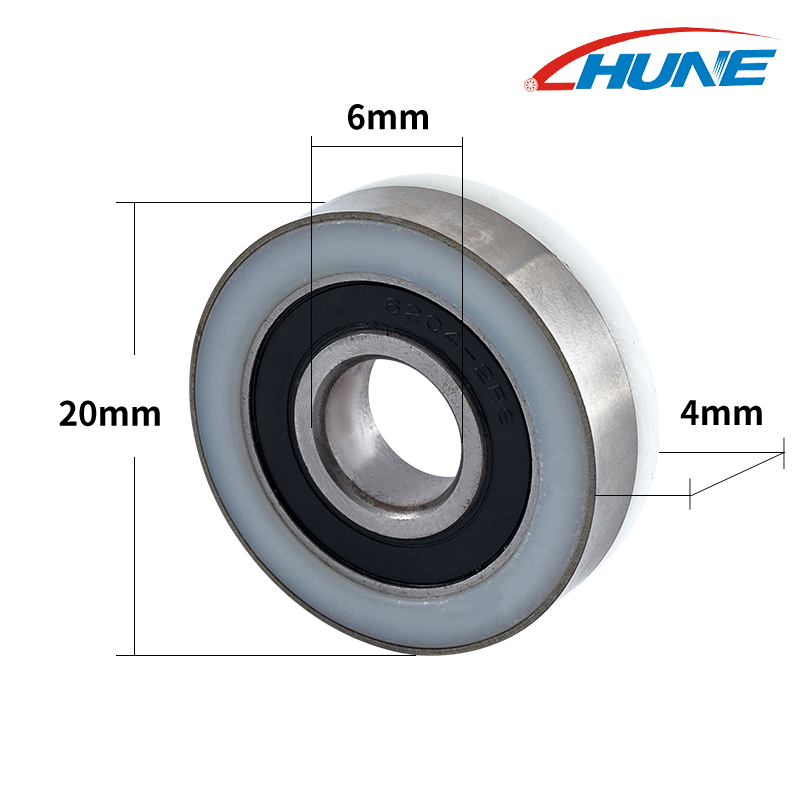
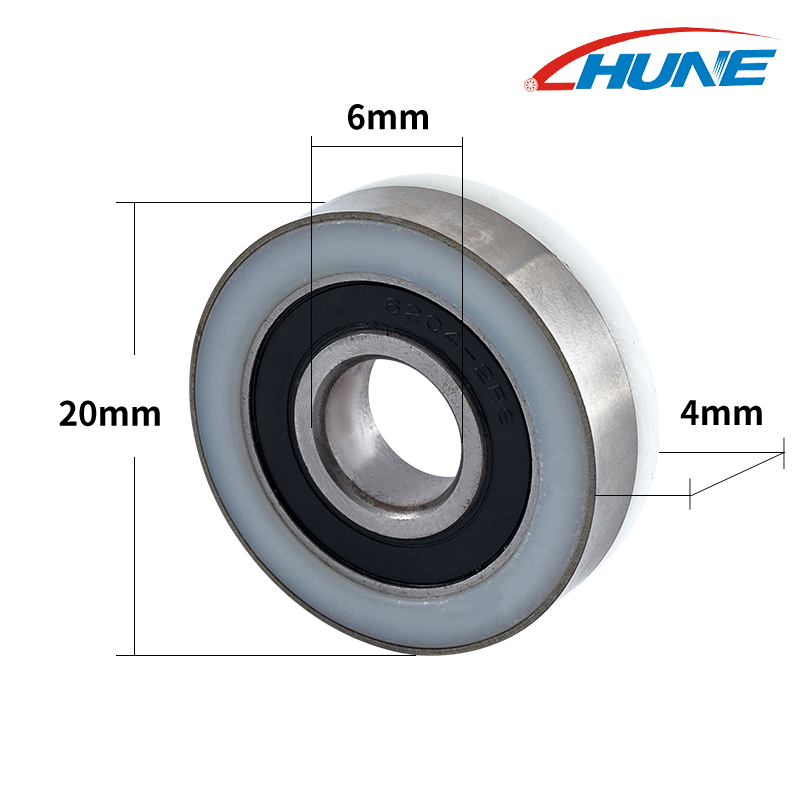
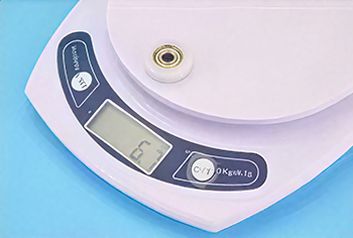
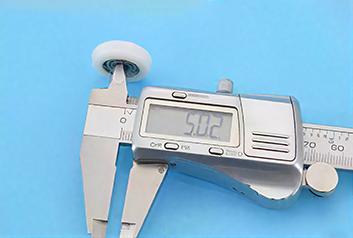
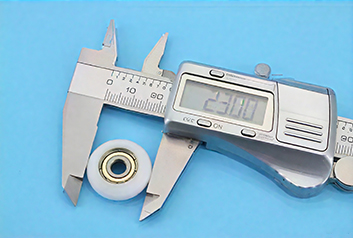
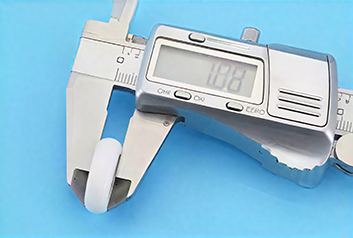
An ultra-slim nylon pulley wheel is a compact guide roller for sliding assemblies with limited space. One example is a 6×20×4mm nylon pulley wheel, specified as 6mm inner diameter, 20mm outer diameter, and 4mm wheel width. Depending on its construction, it may combine an engineering nylon running surface with a sealed bearing core.
This type of low-noise plastic bearing pulley can guide or support a moving part in a narrow rail system. Whether it does one job or both depends on the mechanism: a guide roller may carry little of the panel’s weight, while a support roller must be assessed for its share of the load.
Why Roller Width Matters in Narrow Tracks
A wheel must have enough room to rotate without its sides touching the channel, housing, or adjacent hardware. When the fit is too tight, the sliding part may require more force to move or may bind at certain points along the track.
A nominal 4mm wheel width can be useful in mini cabinets, narrow drawer slides, and compact enclosures. Before selecting it, distinguish between:
- Wheel width: the thickness of the nylon running body.
- Bearing width: the axial dimension of the bearing fitted inside it.
- Installed width: the total space occupied by the wheel, bearing, spacers, fastener head, and required clearances.
These measurements may differ. A wheel described as 4mm wide is not necessarily a complete assembly that fits inside a 4mm channel.
How the Silent Pulley Wheel Works
The silent pulley wheel mounts on a compatible shaft or fastening arrangement. As the panel moves, its nylon running surface rolls along the track. The internal bearing allows the wheel to rotate around the supported shaft rather than requiring the wheel body to slide directly on it.
For a nominal 6×20×4mm nylon pulley wheel, the 20mm outer diameter influences installed height, while the 4mm wheel width helps address restricted lateral space. The 6mm inner diameter must be checked against the actual bearing bore and mounting surface. M6 hardware has a nominal 6mm thread diameter, but its threaded section is not automatically a suitable bearing running surface. A shoulder, sleeve, or other specified arrangement may be required.
A nylon contact surface may reduce hard wheel-to-track noise, and a sealed bearing can help limit particles entering the bearing. Neither feature guarantees silent travel. Performance also depends on shaft fit, track shape, alignment, load, dust, humidity, and how the fastener is tightened.
Key Functions of a Small Guide Roller Wheel
A small guide roller wheel can perform several functions in a compact mechanism:
- Load Support: In a load-bearing position, it transfers part of the moving component's weight through the wheel and mounting structure.
- Movement Guidance: Its running profile helps the component follow the intended rail path.
- Friction Reduction: Rolling contact and a correctly fitted bearing can reduce resistance compared with an unsuitable sliding contact.
- Noise Control: Nylon changes the contact between wheel and track; installed sound still depends on the full assembly.
- Track Protection: A matched non-metallic wheel avoids direct metal-wheel contact, although trapped grit or edge rubbing can still damage a track.
- Space Fit: A slim wheel body can fit layouts that do not have room for a wider roller, provided the complete assembly also fits.
Why Engineering Nylon Is Used for Compact Pulley Wheels
Engineering nylon can be shaped into small, defined running profiles and provides a non-metallic contact surface. It is a practical material choice for many indoor compact sliding systems where moving mass, contact sound, and available space matter.
Its behavior is not the same under every condition. Nylon grade, moisture exposure, temperature, contact pressure, and track finish can affect dimensions and wear. For that reason, a custom nylon pulley wheel should be specified against the actual working conditions rather than selected on material name alone.
Sealed Bearing Structure and Its Role
A sealed bearing pulley wheel has a bearing closure intended to limit contamination inside the bearing. This can be useful where a narrow track collects dust or fibers.
The seal does not remove the need to clean the rail, and it does not by itself determine rolling resistance. Bearing condition, lubrication, shaft fit, side clearance, and load all influence how freely the wheel turns. If the wheel becomes tight only after installation, check whether the fastener is pressing on a rotating part or whether a spacer is missing or incorrectly sized.
6mm Bore and M6 Shaft Compatibility
A 6mm bore pulley wheel should be matched to the dimensions and construction of its mounting hardware. A 6mm rod, a shouldered shaft, and an M6 bolt may all be described using “6mm,” but they do not necessarily provide the same bearing fit.
Confirm the bearing inner diameter, shaft tolerance, supported length, thread location, and axial retention method. The fastener should hold the assembly securely without squeezing the wheel or bearing in a way that prevents rotation.
For a replacement part, measure the existing shaft and inspect how the original wheel is spaced. This is more reliable than assuming compatibility from the nominal bore alone.
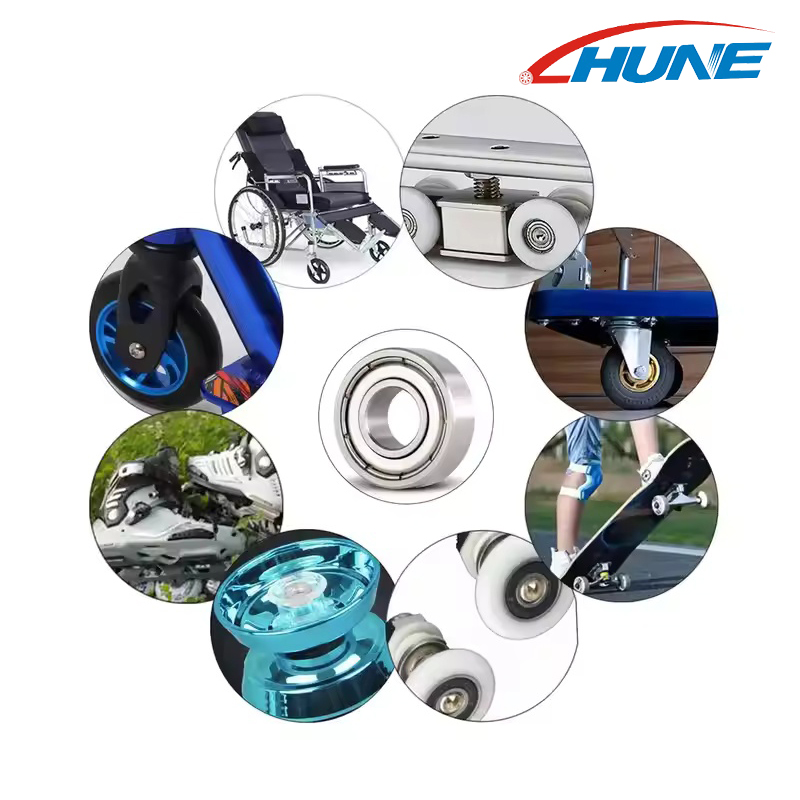
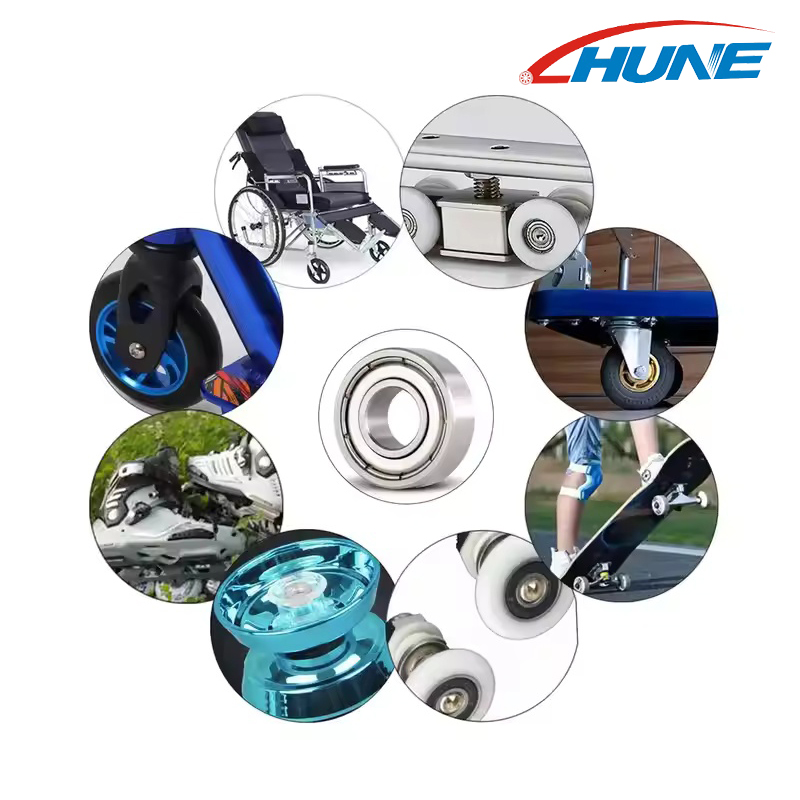
Common Applications for Ultra-Slim Nylon Pulley Wheels
The same slim-wheel concept can serve different mechanisms, but each application needs its own load and fit check.
Narrow Drawer Slides
A narrow drawer channel may use a slim roller where lateral clearance is limited. Check whether the roller supports drawer weight or primarily guides its travel.
Mini Cabinet Tracks
A mini cabinet roller can help position a small sliding panel along a matched rail. Wheel-to-channel clearance is especially important near cabinet corners and mounting brackets.
Display Cases
Display panels often need controlled movement in compact hardware. A low noise guide roller can be considered, with operating sound assessed after installation.
RV Furniture Hardware
Space-saving furniture may have restricted mounting depth and width. Inspect the security of both the roller mounting and its mating structure under the expected use.
Enclosures
Sliding covers and access panels can use a compact roller when the guide channel and panel alignment are suitable.
Prototypes and Maker Projects
A 6mm bore pulley wheel may be useful in a prototype built around a compatible shaft or sleeve. The mounting design still needs to support the bearing correctly.
3D-Printed Mechanisms
A printed bracket or track can be paired with a slim wheel if its dimensions and surface are suitable. Remove burrs and check for dimensional variation along the full travel path before attributing rough movement to the roller.
Selection Guide for Compact Nylon Pulley Wheels
Select the roller against the complete sliding structure, including parts that sit beside the wheel. The table highlights the checks most likely to reveal a fit problem.
| Selection factor | Why it matters | Technical checkpoint |
| Inner Diameter | Determines mounting fit | Measure bearing bore and shaft surface |
| Outer Diameter | Affects installed height | Check vertical track clearance |
| Wheel Width | Affects fit in narrow channels | Compare wheel and installed assembly widths |
| Bearing Type | Affects protection and construction | Confirm model, dimensions, and closure |
| Wheel Material | Affects contact behavior | Specify nylon grade for the conditions |
| Track Shape | Determines running contact | Obtain the rail or channel cross-section |
| Load | Affects wheel and bearing selection | Identify each roller's support role |
| Shaft Fit | Affects alignment and rotation | Check tolerance, shoulder, and sleeve |
| Alignment | Affects wear and resistance | Test the full travel path |
| Dust Exposure | Affects cleaning and bearing protection | Review track debris and seal needs |
| Humidity | Affects materials and metal parts | Review the complete assembly |
| Sliding Frequency | Affects inspection planning | Define the expected operating duty |
The strongest selection evidence is an installed test: the wheel remains secure, rotates freely after tightening, and runs without side rubbing throughout the track.
Common Problems and Technical Causes
The same symptom can come from the wheel, the mounting hardware, or the track. Check all three before replacing a part.
The Wheel Feels Tight
The fastener may be applying side pressure to the wheel, the spacer may be incorrect, or the bearing may not fit its shaft properly. Also check whether the wheel edge touches the housing.
Sliding Movement Feels Rough
Inspect for debris, a damaged running surface, poor alignment, or bearing roughness. A rough spot occurring at one track location suggests a rail issue; a repeating disturbance may point toward the wheel.
The Roller Makes Noise
Possible causes include edge rubbing, a marked wheel surface, a rough bearing, loose mounting, or an uneven track. A nylon wheel does not eliminate these sources.
The Wheel Jams in the Track
Check channel width along the full path, the wheel's installed angle, debris buildup, and clearance around any protruding bearing or spacer.
The Sliding Panel Wobbles
Wobble may indicate loose mounting, excessive bearing or shaft clearance, inadequate guidance elsewhere in the mechanism, or a wheel profile that does not match the track.
The Wheel Wears Quickly
Review load sharing, rail finish, trapped grit, alignment, and nylon grade. Replacing the wheel without addressing the cause can reproduce the same wear pattern.
Installation Considerations for Small Pulley Wheels
Compact dimensions leave little room for assembly errors. Before installation, verify the shaft and bearing bore, clean the track, and check the wheel's running and side clearances.
As the mounting hardware is tightened, confirm that the bearing is supported as intended and that the wheel still turns freely. Then move the panel across its full travel, listening for scraping and checking for tight spots. Recheck alignment and clearance after the first operating cycles.
Do not force the assembly past a point where it binds. The cause may be a local track defect rather than a need for greater installation force.
Maintenance Tips for Narrow Track Roller Systems
Clean the rail regularly, especially where dust and fibers can collect in a narrow channel. Inspect the nylon surface for flat spots, cracks, and edge wear, and check that the wheel rotates smoothly and the mounting remains secure.
For printed or plastic guide structures, remove burrs and inspect the track for deformation. If a panel jams, stop and locate the obstruction before moving it again. Replace the roller when confirmed wheel or bearing damage affects guidance; investigate the track if the replacement shows the same symptoms.
When Custom Nylon Pulley Wheels Are Needed
A standard roller may have the right outer diameter but the wrong installed width, bore fit, or running profile. Custom nylon pulley wheels may be needed for a different inner or outer diameter, a narrower wheel body, a track-specific groove, an alternative bearing, or a defined spacer arrangement.
Custom development can also address nylon grade, bearing closure, color, and supply format. A sample or drawing should be accompanied by the track cross-section, shaft details, available assembly space, moving load, and operating conditions. Small dimensional changes matter most when the surrounding clearance is already small.
FAQ: Ultra-Slim Nylon Pulley Wheels
What does 6×20×4mm mean?
It denotes a nominal 6mm inner diameter, 20mm outer diameter, and 4mm wheel width. Confirm the drawing for tolerances and total installed width.
What is a 6mm bore pulley wheel used for?
It is used with a compatible 6mm mounting surface in a compact mechanism. M6 hardware may form part of that arrangement, but thread and bearing fit must be checked.
Why is a sealed bearing used in a small pulley wheel?
A seal helps limit particles entering the bearing. Smooth rotation also depends on bearing condition, mounting fit, load, and correct installation.
Why is nylon suitable for drawer slide rollers?
Nylon provides a shaped, non-metallic running surface that can suit compact indoor tracks. Noise and wear depend on grade, load, rail condition, and alignment.
What causes a compact sliding roller to jam?
Common causes include insufficient side clearance, debris, misalignment, incorrect shaft or spacer fit, and interference after a fastener is tightened.
Can ultra-slim pulley wheels be used in 3D-printed mechanisms?
Yes, when the printed track and mounting structure provide suitable dimensions, shaft support, running surfaces, and load conditions.
How do I select a mini cabinet roller?
Check the bore and shaft arrangement, wheel and installed widths, outer diameter, bearing construction, track profile, load, and full-travel clearance.
When should a small guide roller wheel be replaced?
Replace it when confirmed flat spots, cracking, bearing roughness, or mounting damage affect movement. Clean and inspect the track first.
Can nylon pulley wheels be customized?
Yes. Wheel dimensions, profile, nylon grade, bearing, seal, spacer, and color can be specified for a defined sliding assembly.
An ultra-slim nylon pulley wheel is useful when a compact sliding mechanism needs a defined running surface within limited space. For a 6×20×4mm nylon pulley wheel, the key checks are not just the three nominal dimensions: total installed width, true shaft-to-bearing fit, track contact, and free rotation after fastening determine whether it works in the finished assembly.
Hune can develop standard or custom nylon pulley wheels from samples, drawings, rail dimensions, and application data for narrow drawer slides, mini cabinet tracks, display cases, RV furniture hardware, prototypes, and compatible 3D-printed mechanisms.